- (417) 674-4531
- info@treeservicejoplinmo.com
- Mon - Fri: 9:00 - 18:30
MANAGING PROBLEM ROOTS WITH CARE
Tree Root Removal in Joplin, MO
Tree roots can lift a walkway, crowd a garden bed, or linger in the ground long after a tree is gone. Tree root removal deals with those problem roots, but it starts with an important question: is the tree still alive, and does it need those roots to stay healthy and upright?
If roots are causing concerns on your Joplin property, call to describe what you’re seeing, where the tree is, and whether you want to keep it.

When Tree Roots Become a Property Concern
Roots become a practical problem in a few common ways:
- Surface roots lifting pavers, walkways or edging
- Roots crowding garden beds or planned landscaping
- Roots in the way of a new patio, fence, addition or driveway
- Roots left in the ground after a tree or stump has been removed
When a cracked slab, drainage issue or plumbing problem appears near a tree, roots may be one possible factor, but other causes are common too. It’s worth having the situation looked at before assuming the roots are to blame, and root work on its own may not fix the underlying problem.
Surface and Exposed Tree Roots
Most of a tree’s roots grow surprisingly close to the surface, and they often spread well beyond the edge of the canopy. Over time, soil erosion, foot traffic or shallow soil can leave some of those roots exposed.
Exposed roots aren’t automatically a problem. They can make mowing awkward or create a trip hazard, but they’re also part of the tree’s working root system. Whether anything should be done about them depends on the tree, the roots involved and how the area is used.

Why Living Tree Roots Need Careful Assessment
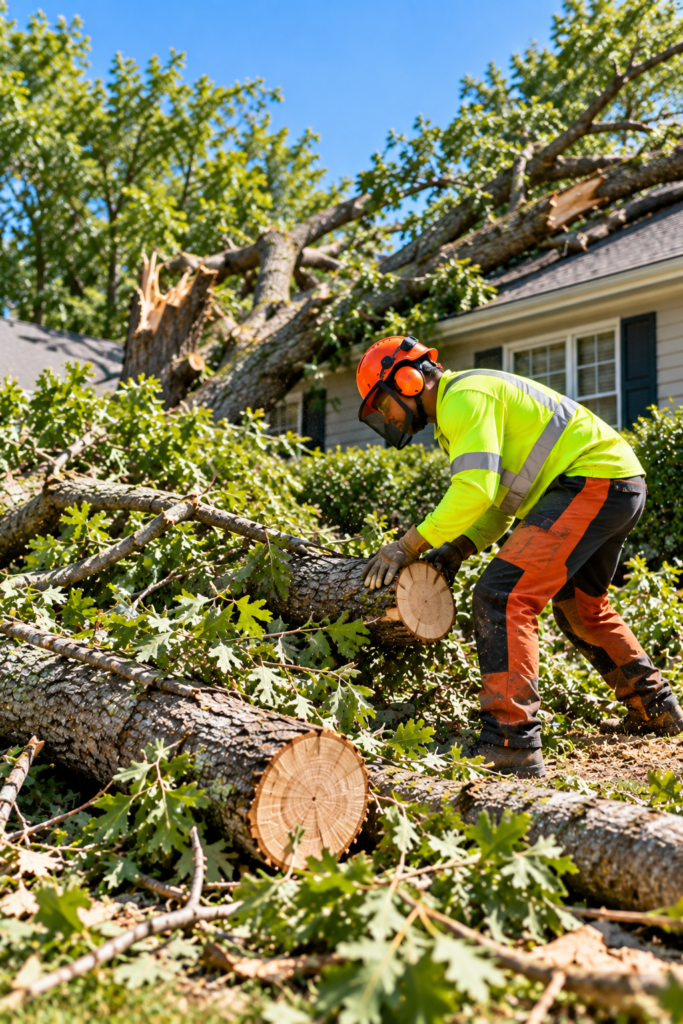
Roots anchor a tree and take up the water and nutrients it needs. The Missouri Department of Conservation’s article on protecting trees during construction describes fine feeder roots as the tree’s life support system, notes that most roots grow in the top 2 to 18 inches of soil, and points out that root damage can lead to decline that shows up months or even years later.
That’s why removing significant roots from a living tree can have consequences for its health and stability. The right approach depends on the tree, the size and location of the roots, what’s around it and whether you plan to keep the tree. An assessment before disturbing major roots helps avoid trading one problem for another.
Roots Left After Tree Removal and Stump Grinding
Once a tree has been removed, its roots stay in the ground. Stump grinding takes the stump down below ground level, but it doesn’t remove the whole root system. The remaining roots gradually break down over time.
For many yards, that’s fine. Where you plan to build, pour a slab, regrade or plant new trees, some of those remaining roots may need to be removed so they don’t get in the way.

What Affects Root Removal Work
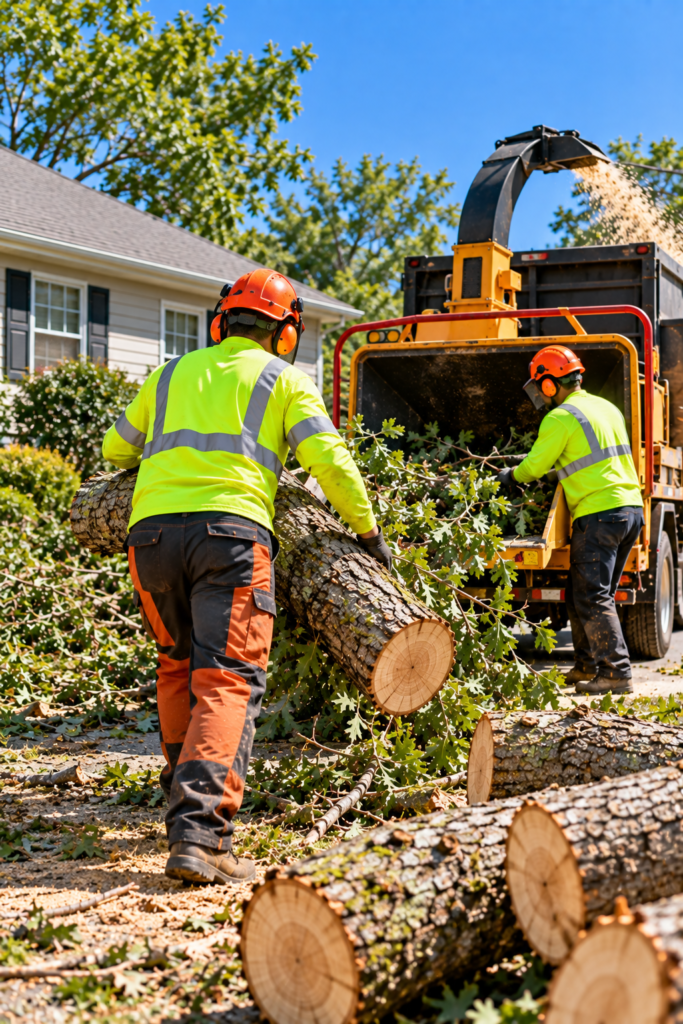
Every root situation is different, so an accurate estimate usually depends on seeing the site. Factors include:
- Whether the tree is still living or has already been removed
- The size, depth and spread of the roots involved
- Nearby walkways, driveways, walls or other hardscape
- Buried utility lines, which in Missouri can be located through the free 811 call-before-you-dig service
- Access to the area
- How the area will be restored afterward
Root Removal vs. Stump Grinding vs. Stump Removal
These services overlap, but each addresses a different part of the problem:
- Stump grinding takes the visible stump below ground level and leaves most roots in place.
- Stump removal digs out the stump and much of its root mass, which suits areas that need to be cleared more thoroughly.
- Root removal focuses on specific problem roots, whether around a living tree or left behind after one is gone.
Sometimes the roots point to a bigger issue: a tree that has outgrown its space next to a house or driveway. In that case, removing the tree may be worth discussing, rather than repeatedly cutting its roots.
Property and Landscaping Considerations
Hardscape and landscaping
Roots and hardscape often compete for the same space. Depending on the situation, options may include reworking the hardscape, adjusting a bed or path layout, or removing roots where that’s appropriate for the tree. What works depends on the site, and no single approach fits every case.
Options when keeping the tree matters
If the tree is healthy and worth keeping, it often makes sense to explore alternatives before cutting significant roots, such as rerouting a path, redesigning a planting bed or working around the roots. MDC also warns that piling soil over roots can harm a tree, so covering exposed roots with a thick layer of fill isn’t a simple fix. An assessment can help weigh the options.
Restoring the area after root work
After roots are removed, the area usually needs to be backfilled, allowed to settle and then reseeded, replanted or prepared for the planned project. Allow for some settling as soil and any remaining wood break down.
Related Tree Services
Root concerns often connect to other tree work, from stumps left behind to trees that have outgrown their space. See the full range of our tree services in Joplin.
Tree Root Removal FAQs
Sometimes, depending on the tree, the size of the roots and where they are. Removing significant roots can affect a living tree’s health and stability, so an assessment before any major root work is important.
Not the whole root system. Grinding takes the stump below ground level, and the remaining roots stay in the soil and break down over time.
They stay in the ground and gradually decay. They may only need to be removed where you plan to build, regrade or replant.
It depends. Surface roots on a living tree are part of its working root system, so removing them can affect the tree. Options range from leaving them in place to root removal where it’s appropriate.
Yes, it can. Roots anchor the tree, so removing major roots may affect its stability as well as its health. That’s why root work around a living tree needs careful assessment.
Have the situation assessed before acting. Roots may be one factor in problems like lifted pavers or cracked slabs, but other causes are possible, and root work alone may not fix the issue.
Stump removal digs out the stump and much of its root mass. Root removal focuses on specific problem roots, either around a living tree or left behind after a tree is gone.
Concerned About Tree Roots on Your Property?
Call to describe the roots, the tree and what’s around them, and request a tree root removal estimate.
Get Quick Estimate
Copyright 2024 | All RIghts Reserved